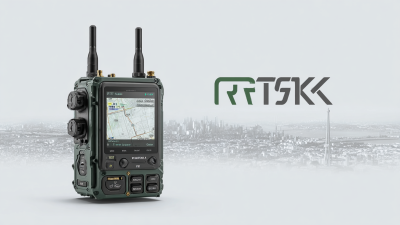
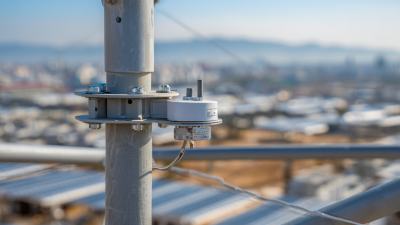
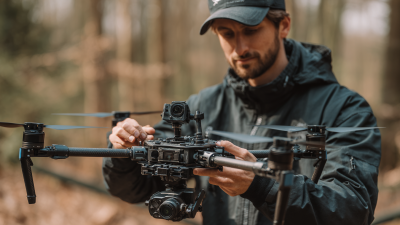
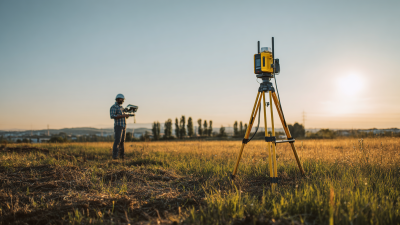
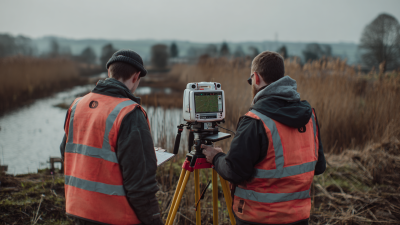
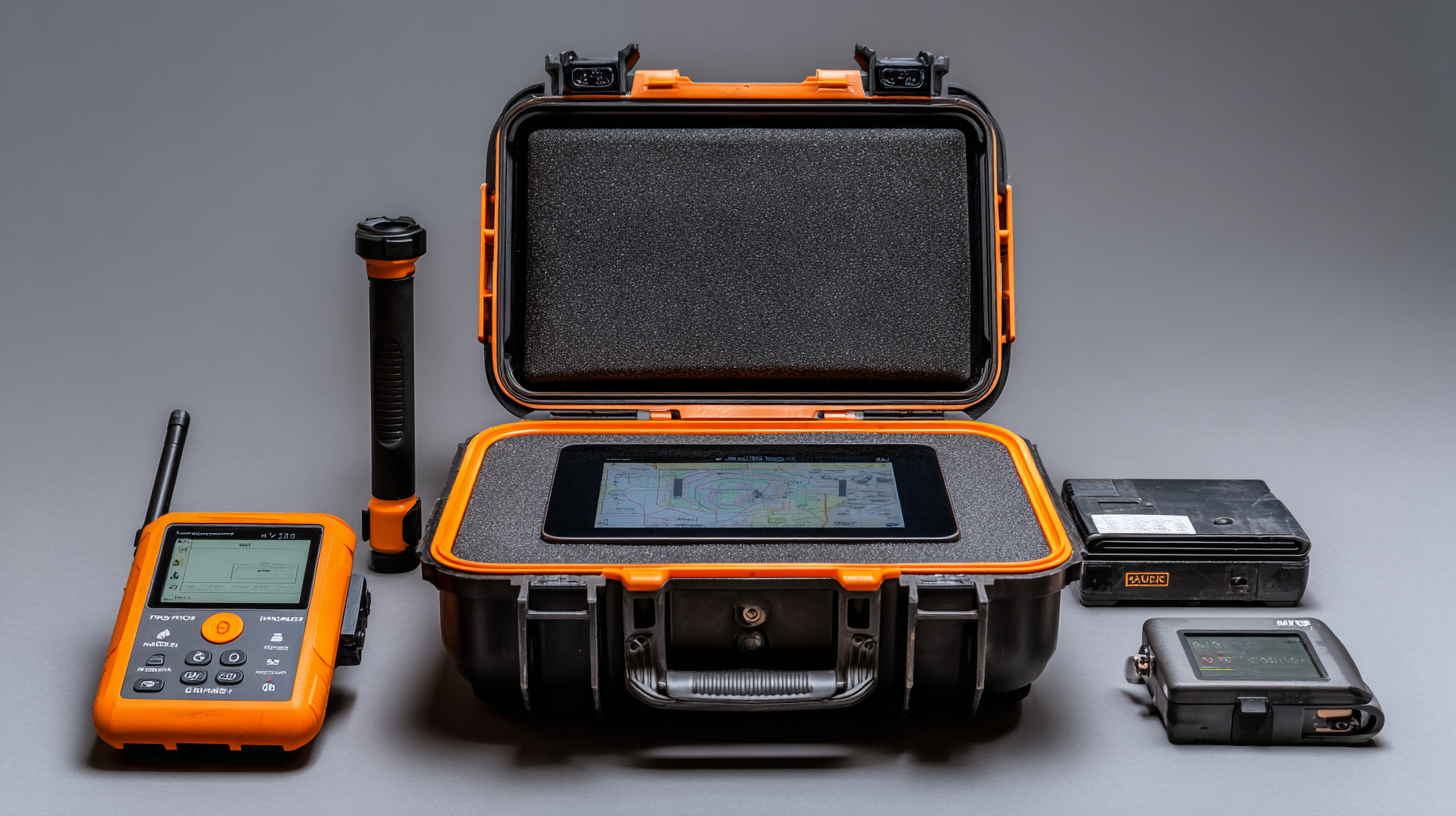
In the constantly changing world of precision mapping, it’s clear that having accurate geospatial data is more important than ever. As Dr. Jane Smith, a top expert in GNSS tech, puts it, 'Handheld Rtk Gnss devices have totally changed how we do surveying — they’re more accurate and flexible than anything before.' These nifty tools let surveyors and mapping pros hit accuracy levels of about 1 to 2 centimeters, which really speeds up work and makes the data more trustworthy.
At Shanghai Apekstool (APEKS), they totally get how crucial these handheld RTK GNSS systems are in today’s surveying scene. They’re all about offering complete solutions—think GNSS/GPS units, total stations, and software—that help professionals get the best tech at their fingertips. Bringing these advanced handheld RTK GNSS gadgets into the workflow doesn’t just boost accuracy; it also gives users the confidence to tackle tough environments, really changing how they operate. As we check out the top devices for 2023, it’s worth thinking about how these advancements could seriously level up your mapping game.
The Rise of Handheld RTK GNSS Devices in Precision Mapping
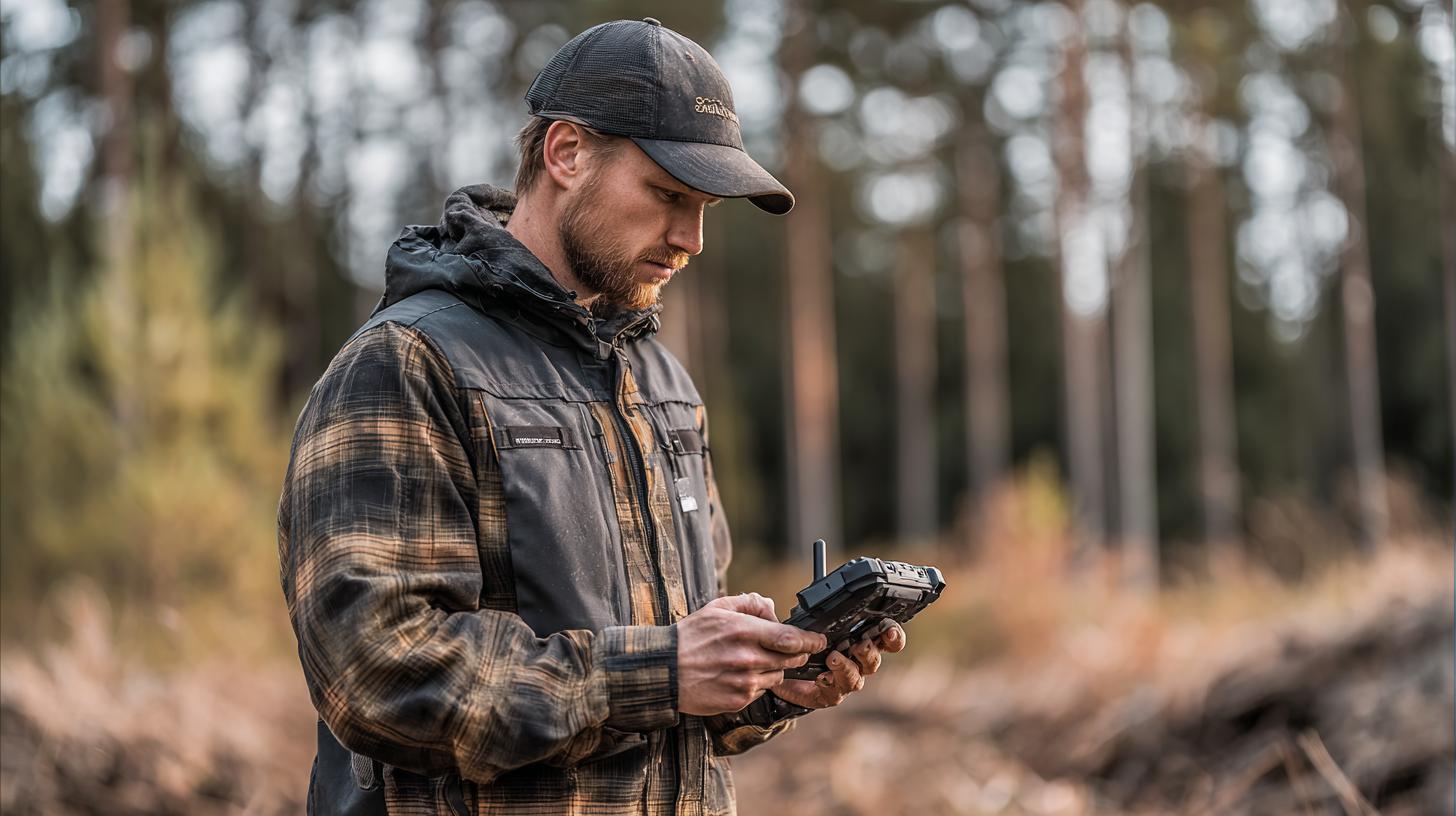
The rise of handheld RTK GNSS devices marks a significant evolution in the field of precision mapping, offering surveyors and geospatial professionals enhanced accuracy and portability. These advanced devices are now capable of achieving remarkable accuracy levels of 1-2 cm, making them invaluable in various applications, from agriculture to urban planning. As the demand for accurate geospatial data continues to grow, the integration of handheld RTK systems into daily surveying practices is becoming more commonplace, enabling faster data collection and reduced operational costs.
At Shanghai Apekstool (APEKS), we recognize the transformative potential of these handheld devices. Our commitment to providing innovative geospatial surveying and mapping products aligns perfectly with the industry’s shift towards mobile, high-precision solutions. Specializing in GNSS/GPS systems and a wide range of surveying instruments, APEKS is dedicated to equipping professionals with the tools they need to excel in their projects. Our continued focus on research and development ensures that we stay at the forefront of technology, helping our customers leverage the advantages of handheld RTK GNSS devices for optimal mapping accuracy and efficiency.
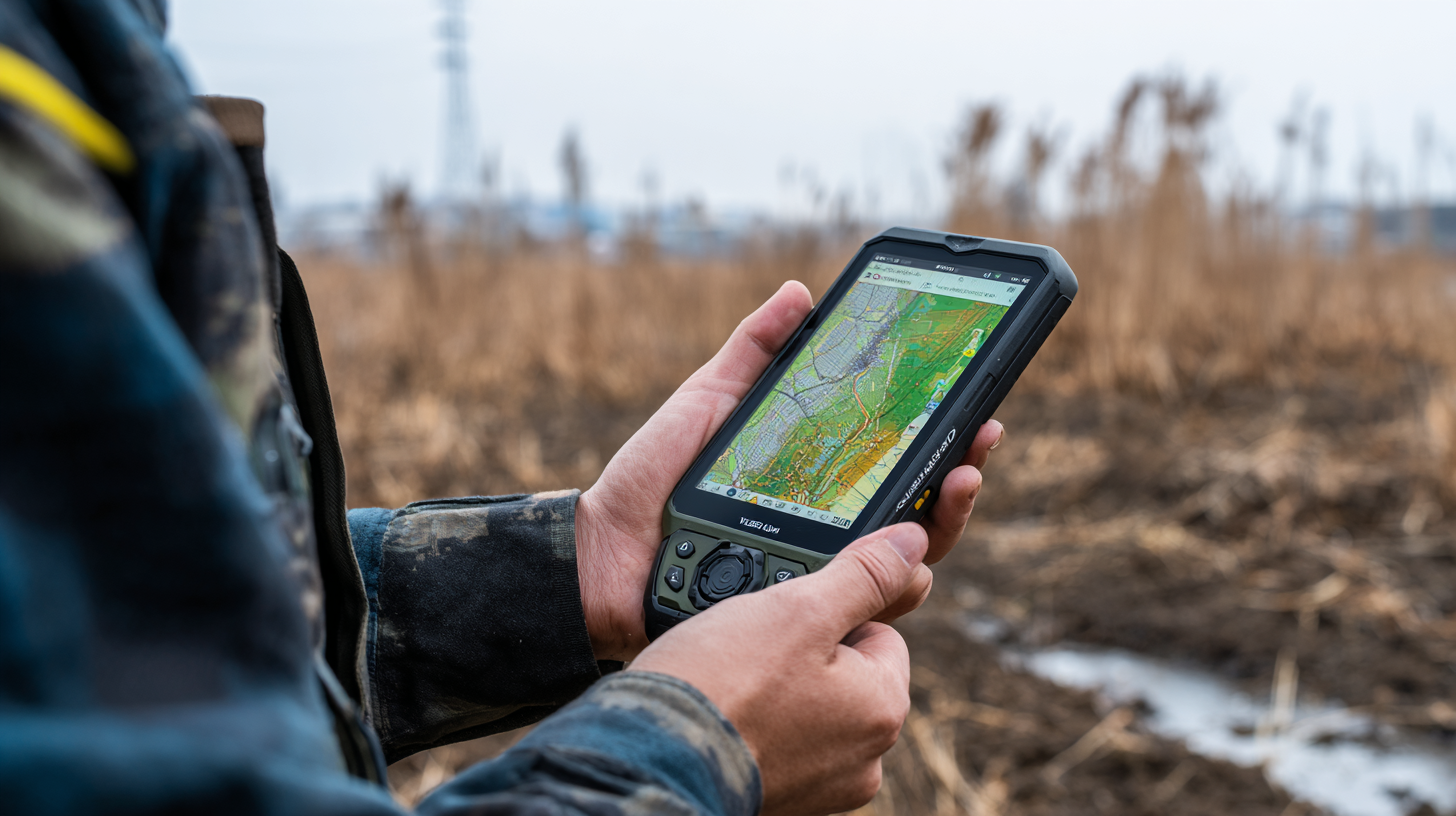
Key Features That Enhance Accuracy to 1-2 cm in 2023 Models
In the realm of geospatial surveying and mapping, the precision offered by handheld RTK GNSS devices has revolutionized data collection processes. The latest 2023 models arrive with profound advancements, enhancing their accuracy to a remarkable 1-2 cm. Key features contributing to this increased precision include multi-frequency support, enabling simultaneous processing of signals from various GNSS constellations, which significantly mitigates the effects of atmospheric delays and multipath errors. According to the latest report by the International GNSS Service, devices utilizing L1, L2, and L5 frequency bands have shown improved performance in both urban and rural environments.
Additionally, the seamless integration of advanced algorithms and signal processing techniques allows for rapid and reliable convergence times, often achieving fixed positions in less than 30 seconds. This is particularly beneficial for surveyors who require efficient workflows without compromising on accuracy. As companies like Shanghai Apekstool (APEKS) continue to innovate, offering products that incorporate these cutting-edge technologies, the market is witnessing a shift towards more accessible and precise geospatial solutions, making accurate surveying more attainable for professionals across various industries.
Comparative Analysis of the Top 7 Handheld RTK GNSS Devices
In 2023, the demand for precision mapping has seen a surge, driving innovations in handheld RTK GNSS devices. This comparative analysis highlights the top seven models that deliver accuracy within 1-2 cm, catering to various applications in surveying, agriculture, and construction. Each device features unique specifications, including updates in satellite compatibility, battery life, and user-friendly interfaces, which contribute to enhanced data collection efficiency.
When evaluating these devices, critical factors include interoperability with other geospatial tools, ease of integration into existing workflows, and the robustness of user support services. The analysis not only examines performance metrics but also user feedback, which reveals essential insights into the practical strengths and weaknesses of each model. This thorough comparative approach enables users to make informed decisions, ensuring they select a handheld RTK GNSS device that best fits their specific mapping needs and operational environments.
Market Trends: Adoption Rates and User Demographics in Precision Mapping
The demand for handheld RTK GNSS devices in precision mapping is witnessing significant growth, primarily driven by advancements in technology and an increasing awareness of their applications across various industries. As professionals from sectors like agriculture, construction, and environmental monitoring adopt these devices, the user demographic is broadening. Data indicates that surveyors and geospatial professionals, traditionally the primary users, are being joined by engineers, urban planners, and even hobbyists who recognize the value of high-accuracy mapping.
Tips for selecting the right RTK GNSS device include considering the device's compatibility with existing software solutions and its ease of use in the field. Look for devices that offer robust customer support and training resources to ensure you can fully leverage the technology. Additionally, assess the durability and battery life, especially if you plan to use the equipment in rugged outdoor conditions.
Another key trend is the increasing integration of mobile applications with RTK GNSS technology. Users are now expecting seamless functionality between their mapping devices and smartphones or tablets, allowing for real-time data collection and analysis. This trend highlights the importance of connectivity and user experience in driving adoption rates among diverse users.
Top 7 Handheld RTK GNSS Devices Adoption Rates in Precision Mapping (2023)
Technological Innovations Driving the Future of GNSS Devices by 2025
The future of GNSS devices is poised for transformation, steering towards enhanced precision and accessibility by 2025. Innovative technologies, such as advanced sensor fusion techniques and AI-driven algorithms, are paving the way for handheld GNSS devices that not only improve accuracy but also streamline data processing and integration. These advancements enable operators to achieve the coveted 1-2 cm accuracy with greater ease, making precision mapping more efficient and reliable.
Tip: When selecting a handheld RTK GNSS device, consider those that feature connectivity options like Bluetooth or Wi-Fi. This will allow seamless integration with other mapping tools and devices, enhancing your overall productivity in the field.
Furthermore, the development of robust, lightweight materials combined with ergonomic designs is making these devices more user-friendly without compromising durability. As manufacturers focus on long-lasting battery life and quick satellite fixes, users can expect to spend more time mapping and less time dealing with logistical challenges.
Tip: Always keep software and firmware updated on your GNSS devices. New updates can introduce important features and enhancements that significantly improve performance and user experience.
Real-World Applications and Case Studies of Handheld RTK GNSS Devices
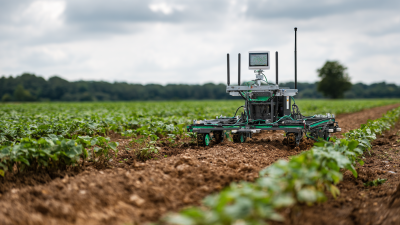
Handheld RTK GNSS devices have revolutionized precision mapping across various industries by providing centimeter-level accuracy. Their real-world applications extend from agriculture to environmental monitoring. For instance, farmers can utilize these devices for precision farming, allowing them to map fields accurately, analyze soil health, and manage crop yields efficiently. The high precision offered by RTK GNSS technology enables them to implement targeted strategies for planting and fertilizing, significantly enhancing productivity and sustainability.
In environmental science, handheld RTK GNSS devices are used for mapping ecosystems and monitoring changes over time. Researchers can accurately collect geographical data related to habitat destruction, water quality, and species distribution. Real-time positioning aids in ensuring that data collection points are consistently accurate, leading to more reliable results in studies on climate change impacts. The flexibility and mobility of handheld devices allow for extensive field studies, providing invaluable insights that guide conservation efforts and policy-making.
FAQS
: Handheld RTK GNSS devices are primarily used for precision mapping in various industries, including surveying, agriculture, and environmental monitoring, providing centimeter-level accuracy.
The top models of handheld RTK GNSS devices deliver accuracy within 1-2 cm.
Key factors include interoperability with other geospatial tools, ease of integration into existing workflows, battery life, user support services, and connectivity options like Bluetooth or Wi-Fi.
Innovations such as advanced sensor fusion techniques and AI-driven algorithms are transforming GNSS devices, enhancing precision, streamlining data processing, and making accuracy more accessible.
Keeping software and firmware updated introduces important features and enhancements that can significantly improve the performance and user experience of GNSS devices.
In agriculture, these devices are used for precision farming, enabling farmers to map fields accurately, analyze soil health, and manage crop yields effectively to enhance productivity and sustainability.
They are used to map ecosystems and monitor changes, allowing researchers to collect accurate geographical data related to habitat destruction, water quality, and species distribution.
Ergonomic designs and lightweight materials enhance user-friendliness and comfort during fieldwork without compromising durability, allowing users to operate for longer periods.
Real-time positioning refers to the ability of GNSS devices to provide precise location data at the moment it is needed, ensuring accuracy in data collection points for reliable results.
Improved battery life allows users to spend more time mapping in the field without frequent interruptions for recharging, thus enhancing overall productivity.
Conclusion
The article "Top 7 Handheld RTK GNSS Devices for Precision Mapping with 1-2 cm Accuracy in 2023" explores the growing popularity of Handheld RTK GNSS devices in the field of precision mapping. As technology advances, these devices are now capable of achieving remarkable accuracy levels of 1-2 cm, making them indispensable tools for professionals in surveying and mapping. The article highlights key features that enhance this accuracy and provides a comparative analysis of the top 7 handheld RTK GNSS devices available today, with a focus on user demographics and adoption rates.
Additionally, it discusses the technological innovations poised to shape the future of GNSS devices by 2025, illustrating real-world applications and case studies that highlight the effectiveness of these tools in various settings. Companies like Shanghai Apekstool (APEKS), which specializes in GNSS systems and surveying solutions, are at the forefront of this trend, ensuring that users have access to cutting-edge technology for precise geospatial data collection.